

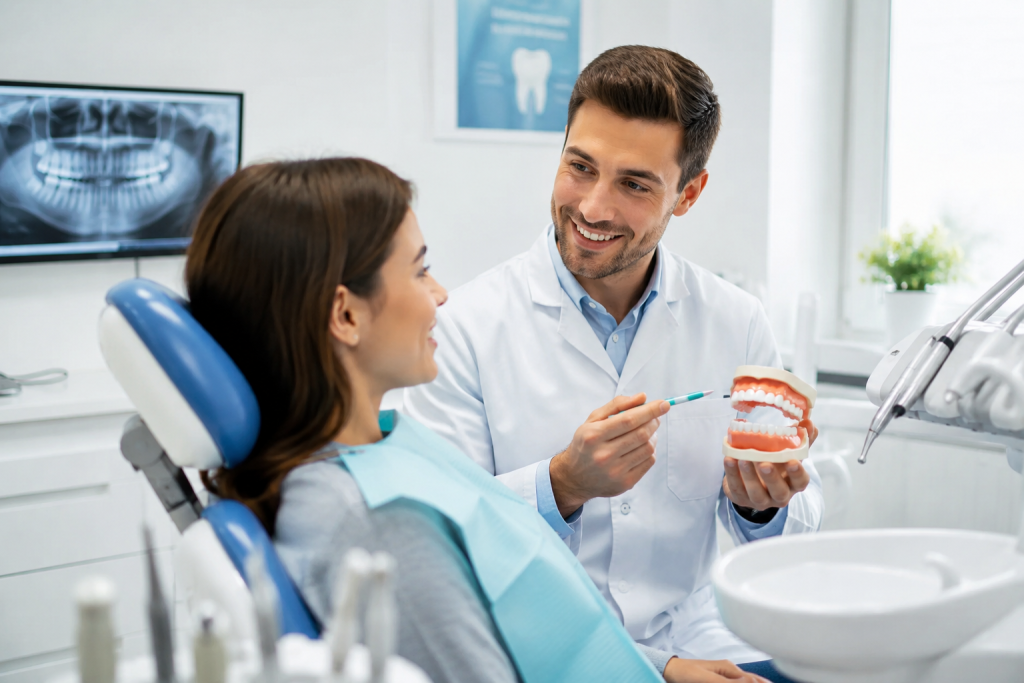
Looking for teeth whitening options in Sunrise, FL? They’ll find clear paths whether they want quick in-office whitening, dentist-supervised take-home kits, or safe over-the-counter choices. If you want the fastest, most reliable brightening with professional oversight, a licensed Sunrise dental office offering in-office or custom take-home whitening will deliver the best results and safety.
This article explains what stains are caused by, what professional and at-home options actually do, how results and risks compare, and when to consult a dentist. It guides them toward the option that balances comfort, cost, and lasting results so they can decide with confidence.
Understanding What Causes Tooth Discoloration
Tooth color changes for different reasons, often from daily habits, health conditions, or natural aging. Identifying the specific cause helps pick the right whitening option and avoid treatments that won’t work.
Everyday Habits That Affect Tooth Color
Foods and drinks with strong pigments—coffee, black tea, red wine, cola, and dark berries—deposit chromogens on enamel. These molecules bind to tooth surfaces and cause surface stains that brushing alone may not remove.
Tobacco use accelerates staining. Nicotine and tar create yellow-brown deposits that can deepen over time and respond slowly to whitening attempts.
Poor oral hygiene lets plaque and tartar build up, which trap stains and make teeth look dull. Regular brushing, flossing, and professional cleanings reduce this problem and improve whitening results.
Certain medications, mouth rinses with chlorhexidine, and frequent consumption of highly pigmented sauces (soy, tomato) also contribute. Limiting these and rinsing after meals can help maintain lighter teeth.
Health and Genetic Factors
Intrinsic stains originate inside the tooth and often need professional treatment. Examples include tetracycline exposure during tooth development, which produces gray or brown banding that bleaching gels may not fully correct.
Fluorosis from excessive fluoride intake in childhood causes white flecks or brown stains within enamel. Severity varies, and treatment ranges from microabrasion to veneers depending on appearance and patient goals.
Genetics determine enamel thickness and natural tooth shade. Thinner enamel reveals more of the yellowish dentin underneath, making teeth appear darker even with good care.
Trauma to a tooth can cause internal discoloration when blood or pulp necrosis alters dentin color. A dentist can evaluate options such as internal bleaching, bonding, or crowns based on tooth vitality and structural health.
How Age Changes Your Smile
Enamel wears down with age due to years of chewing, brushing, and exposure to acids. As enamel thins, the darker dentin layer becomes more visible, shifting teeth toward a more yellow tone.
Cumulative surface stains build over decades, making older adults more likely to need stronger or repeated whitening interventions. Professional whitening or porcelain restorations often deliver the most consistent results for age-related staining.
Age-related dental work like old fillings and crowns can discolor or mismatch surrounding teeth, limiting the effect of bleaching on overall appearance. Replacing restorations after whitening helps achieve a uniform shade.
Discussing expectations with a dentist ensures realistic goals and a tailored plan, whether choosing in-office whitening, take-home trays, or restorative options to address age-related color changes.
Professional Whitening Treatments Available Locally
Patients can choose same‑day in-office procedures, personalized take‑home trays, or advanced laser options. Each approach balances speed, sensitivity control, and shade predictability to match lifestyle and budget.
In-Office Whitening Procedures
Clinics in Sunrise typically use concentrated hydrogen peroxide gels applied under supervision. A dental assistant or hygienist isolates gums with a protective barrier, applies the gel, and activates it with a warming lamp or LED light for 15–20 minute cycles. Most appointments last 60–90 minutes and produce 6–8 shades of improvement in a single visit.
Dentists evaluate restorations first, since crowns and veneers do not whiten. They monitor sensitivity, pause treatment if needed, and provide fluoride or desensitizing agents afterward. Expect immediate results, a higher cost than home options, and post‑care instructions to avoid staining foods for 48–72 hours.
Take-Home Custom Whitening Kits
Local offices offer lab‑made trays molded to the patient’s teeth and paired with professional‑strength carbamide or hydrogen peroxide gel. The dentist fits trays, demonstrates application, and prescribes wear time—often 30–90 minutes daily or overnight for 1–2 weeks depending on concentration.
Custom trays deliver more even whitening than over‑the‑counter strips and reduce gum irritation. Follow‑up visits confirm progress and adjust duration for sensitivity. Patients receive clear instructions on storage, gel dosing, and avoiding restorations that won’t respond to bleaching.
Advanced Laser Whitening Solutions
Some Sunrise dental practices use diode or Nd lasers to accelerate peroxide breakdown and enhance whitening results. The procedure combines a high‑strength gel with short, focused laser bursts to intensify effect while shortening chair time. Typical sessions run 30–60 minutes and may yield faster lightening than passive activation.
Laser whitening requires strict eye protection and experienced operators to control heat and sensitivity. It can produce dramatic shade changes but costs more and may require touch‑ups. Dentists screen for gum disease, enamel defects, and photosensitivity before recommending this option.
At-Home Whitening Solutions You Can Try
At-home whitening options vary in strength, cost, and time to results. They range from over-the-counter peroxide strips to toothpastes that remove surface stains, and some popular home remedies—each has specific benefits and limitations.
Store-Bought Whitening Strips
Whitening strips contain low-concentration hydrogen peroxide or carbamide peroxide gels applied directly to teeth. They typically require daily application for 7–14 days and can lighten teeth by one to three shades depending on enamel condition and the product’s strength.
Benefits: easy to use, affordable, and effective for extrinsic (surface) stains from coffee, tea, or tobacco. Limitations: strips may not cover back teeth fully and can cause temporary tooth sensitivity or gum irritation if applied improperly. Those with fillings, crowns, or exposed root surfaces should consult a dentist first because strips won’t change the color of restorative materials.
Usage tips: follow the manufacturer’s timing exactly, avoid swallowing the gel, and stop use if severe sensitivity or gum soreness develops. For safer results, consider alternating days or using a desensitizing toothpaste before and after treatments.
Whitening Toothpastes and Rinses
Whitening toothpastes use mild abrasives and low concentrations of peroxide to remove surface stains and polish enamel. They can modestly improve shade over weeks and help maintain results from stronger treatments.
Rinses with peroxide offer convenience but deliver less contact time with enamel, so they are generally slower and less effective than strips. Both products are best for preventing new stains rather than producing dramatic whitening.
Important considerations: choose ADA-accepted formulas when possible, and avoid highly abrasive toothpastes that could thin enamel with long-term use. Expect gradual improvement; realistic users will see subtle brightening, not dramatic shade changes. For visible results faster, pair toothpaste with periodic professional or strip-based treatments under dentist guidance.
Home Remedies: Do They Really Work?
Common home remedies include baking soda, activated charcoal, oil pulling, and lemon or apple-cider vinegar. Baking soda has mild abrasive action and can remove surface stains safely if used sparingly and in a non-abrasive paste. Activated charcoal may remove stains superficially but can be overly abrasive and lacks proven long-term safety for enamel.
Acidic substances like lemon juice or vinegar can etch enamel, causing lasting damage and increased sensitivity; dental professionals advise against them. Oil pulling provides little reliable evidence for whitening and should not replace proven methods.
If someone considers a DIY method, they should check enamel abrasion values, avoid acidic recipes, and consult a dentist if they have restorations, gum disease, or pronounced sensitivity. A brief dental visit can identify safe, effective at-home strategies tailored to the individual’s oral health.
Comparing Whitening Results and Safety
This section explains how long different whitening methods typically last, what side effects to expect, and which patients should avoid certain treatments. It focuses on realistic outcomes, common causes of sensitivity, and clear contraindications.
How Long Results Typically Last
In-office professional whitening with 35–40% hydrogen peroxide often produces the fastest, most noticeable change — usually 6 to 12 shades lighter in a single visit. Patients in Sunrise, FL often see results that remain vivid for 6–18 months when they avoid staining foods and follow a maintenance plan.
At-home custom trays dispensed by a dentist use 10–22% carbamide peroxide and typically maintain improvement for 6–12 months with nightly or weekly touch-ups. Over-the-counter strips and toothpaste usually give smaller, shorter-lived improvements; strips may last 3–6 months, while whitening toothpaste mainly removes surface stains and provides incremental change.
Porcelain veneers, crowns, or composite bonding are not whitened by bleaching. Those restorations require replacement or matching adjustments if a patient wants a brighter smile long-term.
Potential Sensitivity and Side Effects
Whitening sensitivity is the most common side effect and usually presents as short, sharp discomfort to temperature changes during or after treatment. Sensitivity typically peaks within 24–48 hours and resolves within a week for most people when managed with desensitizing toothpaste or temporary cessation of treatment.
Gum irritation can occur if whitening gel contacts soft tissues, producing redness or mild soreness that usually clears in a few days. Overuse of high-concentration products risks enamel surface changes or uneven results, especially on restorations; follow dentist instructions to reduce these risks.
Allergic reactions are rare but possible; patients should report persistent swelling, rash, or breathing difficulty immediately. Professional supervision lowers complication risks by ensuring proper concentration, fitting trays, and pre-treatment examination.
Who Should Avoid Certain Treatments
Pregnant or breastfeeding patients should postpone elective whitening until after pregnancy and breastfeeding, because studies recommend caution with peroxide exposure. Children under 16 generally should avoid whitening unless a dentist evaluates tooth maturity and risk; developing teeth are more sensitive.
Patients with extensive restorations — large crowns, veneers, or exposed dentin — should avoid expectations of uniform whitening because restorations do not bleach. Those with active tooth decay, untreated gum disease, or cracked teeth should get restorative care before whitening to prevent pain and uneven results.
Patients with a history of severe sensitivity, resin allergies, or unrealistic expectations may be steered toward conservative options like professional polishing, desensitizing protocols, or restorative cosmetic work instead of high-concentration bleaching.
Choosing the Right Option for Your Smile
This section explains how to match whitening method to tooth sensitivity, dental history, and budget. It highlights professional choices, at-home alternatives, and practical steps to protect enamel and reduce discomfort.
Customizing Treatments for Sensitive Teeth
Patients with sensitivity should start with a dental exam to check for cavities, gum recession, or enamel erosion that can worsen with whitening. A dentist in Sunrise FL can recommend a tailored plan—such as lower-concentration peroxide gels in custom trays, shorter in-office light-accelerated sessions, or desensitizing pre-treatments—that balances results with comfort.
Desensitizing agents like 5% potassium nitrate or fluoride varnishes applied before or after whitening reduce nerve response. They often require repeated applications over a week for best effect. For extreme sensitivity, the clinician may suggest postponing whitening until underlying issues are treated.
Temporary measures include using toothpaste for sensitive teeth (containing stannous fluoride or potassium nitrate) for two weeks before starting treatment and avoiding acidic foods during the regimen. Clear communication with the provider about pain thresholds and prior reactions lets the team adjust concentration, exposure time, or delivery method for safer, more comfortable whitening.
Affordable Choices for Every Budget
Sunrise FL patients can choose from three price-tier options: in-office professional whitening (higher cost, fastest results), dentist-supervised take-home kits (moderate cost, controlled strength), and over-the-counter products (lowest cost, variable results). Comparing expected shade change, treatment time, and supervision helps match choice to goals and finances.
When cost is the primary concern, dentist-provided take-home kits often offer the best value: they use custom trays with mid-strength gel, typically delivering noticeable change in 1–2 weeks under professional guidance. Over-the-counter strips or whitening toothpaste can maintain results or provide mild improvement but may require longer use and carry higher risk of uneven whitening without a prior dental exam.
Many practices in Sunrise FL offer financing, membership plans, or seasonal promotions. Patients should request an itemized estimate including follow-up visits and any required restorations (like replacing old crowns that won’t whiten). Asking about expected number of shades lightened and warranty for sensitivity or touch-ups helps avoid surprise costs.
Aftercare Tips for a Brighter Smile
Maintaining whitening results depends on consistent home care, avoiding stain-causing foods and drinks, and following any professional instructions about sensitivity or product use. Small daily habits make the biggest difference in preserving a brighter smile.
Best Practices for Maintaining Results
They should brush twice daily with a soft-bristled toothbrush and a fluoride toothpaste formulated for whitening maintenance. Use gentle, circular strokes for two minutes and replace the brush every three months or sooner if bristles fray.
Daily flossing removes plaque between teeth where stains can settle; dental picks or interdental brushes work if regular floss is difficult. Rinsing with water after meals lessens immediate staining before the next brushing.
If a dentist provided at-home trays or touch-up kits, follow the exact schedule and concentration recommended. Overuse of whitening products increases sensitivity and can damage enamel; stop and call the office if pain or prolonged soreness occurs.
Schedule professional cleanings every six months, or more often if the dentist advises, to remove surface stains and check enamel health. Using a straw for dark beverages and waiting 30–60 minutes after eating acidic foods before brushing helps protect newly whitened enamel.
Foods and Drinks to Limit
They should avoid or reduce highly pigmented drinks: coffee, black tea, red wine, cola, and pomegranate juice stain teeth quickly. Drinking these through a straw minimizes contact with the front teeth.
Sauces and foods with strong pigments—soy sauce, tomato sauce, curry, and berries—also cause discoloration; rinsing with water after eating lowers risk. Tobacco products, including vaping liquids with coloring, cause persistent staining and harm oral tissues.
Acidic foods and drinks, such as citrus, wine, and sports drinks, soften enamel and make teeth more susceptible to staining; wait 30–60 minutes before brushing after consuming them. For maintenance, choose water, milk, or clear beverages and snack on raw vegetables and cheese, which help clean tooth surfaces and neutralize acids.
If patients expect frequent social drinks or colored foods, discuss a tailored touch-up schedule with their dental provider to keep results consistent.
When to Seek Guidance from a Dental Professional
Patients should consult a dental professional before starting any whitening treatment if they have tooth sensitivity, gum irritation, or a history of allergy to whitening agents. A dentist can determine the cause of sensitivity and recommend desensitizing options or alternative approaches.
Those with extensive dental work—crowns, veneers, large fillings—or uneven discoloration benefit from professional advice. Whitening products affect natural enamel differently than restorations, so a dentist can plan treatment that achieves a uniform result.
If stains persist after over-the-counter products, a dental visit helps identify underlying issues such as decay, trauma, or medication-related discoloration. Professional whitening or targeted treatments often provide safer, faster improvement.
Pregnant or breastfeeding patients, children under 16, and people with certain medical conditions should get personalized guidance. A clinician evaluates risks and may postpone or modify whitening to protect health.
When patients want faster, longer-lasting results, or are preparing for a special event, professional in-office or dentist-supervised take-home options offer monitored concentration and technique. This reduces complications and improves predictability.
To schedule an exam, discuss options, or ask about costs and expected outcomes, the dental team in Sunrise, FL, stands ready to help. They can answer questions and tailor a plan that balances comfort, safety, and brightening goals.
Frequently Asked Questions
This section answers practical concerns about whitening methods, costs, timing, sensitivity, effectiveness on restorations and common stains, and a simple routine to help maintain results. It gives specific, actionable details patients in Sunrise, FL can use when deciding on treatment.
What are the main differences between in-office whitening, take-home trays, and over-the-counter whitening strips?
In-office whitening uses a higher-concentration peroxide gel applied by a dental professional and often includes light or heat to accelerate results. It typically produces the largest shade change in one 60–90 minute visit.
Take-home trays are custom-made by a dentist and use a lower-concentration peroxide gel worn for short daily periods over 1–2 weeks. They balance stronger results with safer, controlled application for home use.
Over-the-counter whitening strips or gels contain lower peroxide levels and come in standard shapes that may not fit precisely. They are the least expensive option but usually require longer use and provide more modest whitening compared with dentist-supervised methods.
How much should I expect to pay for teeth whitening, and what factors can change the price?
In-office professional whitening in Sunrise, FL typically ranges from $350 to $800 per session. Prices vary with office reputation, technology used, and whether additional services (like polishing or shade matching) are included.
Take-home tray kits from a dentist usually cost $150–$400, depending on materials and number of syringes of gel. Over-the-counter strips generally cost $20–$60 per course, but repeated purchases can make them more expensive over time.
Factors that change price include initial tooth shade, desired degree of whitening, need for dental exams or dental work first, and whether touch-up supplies are provided.
How quickly will I see results, and how long do whitening results usually last?
In-office whitening often shows visible improvement immediately, with full effect apparent after 24–48 hours. Take-home trays usually show noticeable change within 3–7 days and reach peak results after 1–2 weeks.
Over-the-counter strips may take 2–4 weeks for visible results. Results commonly last 6 months to 3 years; longevity depends on diet, smoking, oral hygiene, and follow-up touch-ups.
Is teeth whitening safe for sensitive teeth, and what can I do to stay comfortable during treatment?
Whitening can increase tooth sensitivity temporarily, especially with higher-concentration gels. Many patients tolerate treatment well if they start with a professional exam and use desensitizing products as recommended.
Options to manage sensitivity include switching to lower-concentration gel, shorter application times, desensitizing toothpaste with potassium nitrate or stannous fluoride, topical fluoride varnish, or spacing treatments over several days. A dentist can recommend the safest protocol based on dental history.
Will whitening work on crowns, veneers, fillings, or stains from coffee, tea, wine, or tobacco?
Whitening only changes the color of natural tooth enamel. Crowns, veneers, and existing composite fillings will not lighten with peroxide-based whitening. These restorations may require replacement to match a newly whitened smile.
Intrinsic stains from antibiotics or trauma may respond less predictably than surface stains. Stains from coffee, tea, wine, and tobacco usually improve with professional whitening, though heavy or long-standing staining may need multiple sessions or combined approaches.
What is the “2-2-2 rule” for teeth, and how can it help me keep my smile bright after whitening?
The “2-2-2 rule” advises brushing twice daily for two minutes, flossing once daily (add water-pik use if recommended), and limiting staining drinks for two hours after meals. It supports enamel health and reduces new surface staining.
For maintenance after whitening, follow the 2-2-2 routine, avoid frequent sipping of coffee or tea, use a straw when possible, and schedule professional cleanings every 4–6 months. Patients should consult their dentist about touch-up gel or occasional in-office refreshers to preserve results.