

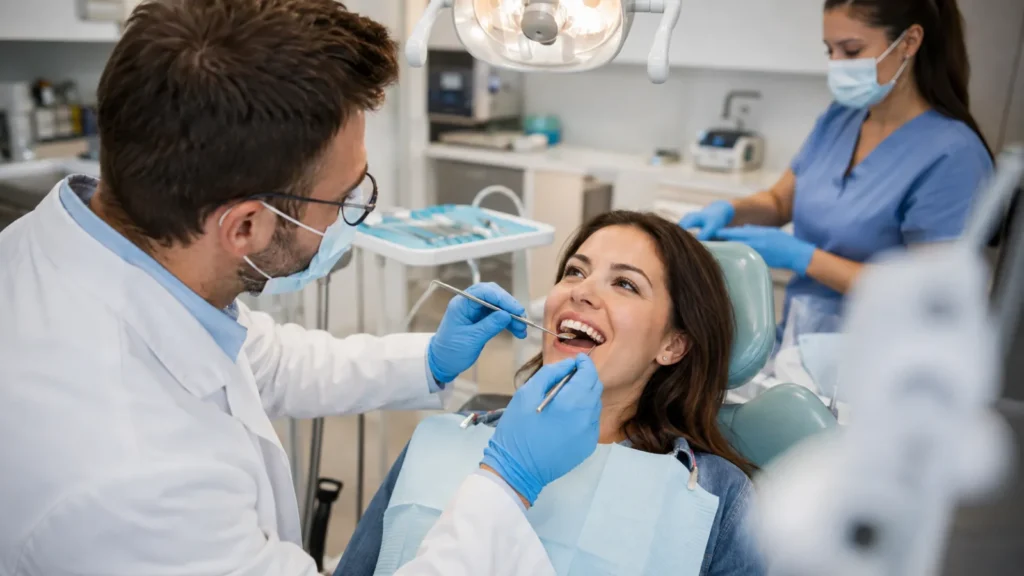
A healthy smile does more than help someone feel confident. It also makes everyday activities such as eating, speaking, and laughing more comfortable. General dentistry focuses on protecting that smile through preventive care, early detection, and practical treatment when a problem develops.
For patients exploring general dentistry in Sunrise, FL, understanding what a general dentist does can make the next appointment feel less uncertain. From routine cleanings to repairing damaged teeth, general dental care supports patients through many stages of life.
This overview explains the services commonly associated with general dentistry, what happens during an appointment, and how patients can make informed decisions about their oral health.
This article provides general educational information and is not a substitute for an examination, diagnosis, or personalized treatment plan from a licensed dentist.
What General Dentistry Includes

A general dentist is often the main point of contact for ongoing oral healthcare. Much like a primary care provider monitors overall health, a general dentist evaluates the teeth, gums, bite, and surrounding tissues. The goal is to prevent avoidable problems, identify concerns early, and recommend appropriate care.
General dentistry may include preventive, diagnostic, restorative, and emergency services. Some practices also provide cosmetic treatments or coordinate care with specialists when a patient has more complex needs.
Dental exams and professional cleanings
Routine examinations and cleanings form the foundation of preventive dentistry. During an exam, the dental team checks for changes such as cavities, worn enamel, cracked teeth, damaged restorations, gum inflammation, or bite concerns. Depending on the practice and the patient’s needs, the visit may also include an evaluation of the tongue, cheeks, jaw, and other oral tissues.
A professional cleaning removes plaque and hardened tartar from areas that can be difficult to clean effectively at home. The hygienist may also polish the teeth and offer personalized guidance on brushing, flossing, or cleaning around dental work.
There is no single appointment schedule that is right for everyone. According to the Cleveland Clinic’s oral hygiene guidance, dental exam and cleaning intervals should reflect each person’s needs. Patients with a history of gum disease, frequent cavities, dry mouth, or other risk factors may need care more often than someone with consistently healthy teeth and gums.
Digital X-rays and diagnostic care
Not every oral health problem is visible during a standard examination. Dental X-rays can help a dentist evaluate areas between teeth, below existing restorations, around tooth roots, and beneath the gumline.
The type and frequency of X-rays depend on factors such as age, current symptoms, dental history, cavity risk, and previous images. Patients who are unsure why an image is recommended should feel comfortable asking what the dentist hopes to evaluate and how the results may influence care.
Preventive treatments
Daily brushing and interdental cleaning are essential, but some patients benefit from additional protection. Depending on individual needs and availability at the practice, preventive options may include fluoride treatment, dental sealants, custom mouthguards, or recommendations for managing dry mouth and sensitivity.
Prevention is not about following an identical routine for every patient. A child who struggles to clean newly erupted back teeth may need different support than an adult with gum recession or a patient who wears dentures. A general dentist can tailor recommendations to the person’s age, health history, habits, and current oral condition.
Fillings and treatment for tooth decay
When decay creates a cavity, a filling may restore the damaged area and help protect the remaining tooth structure. The dentist removes the affected material, cleans the area, and places a restorative material selected for the tooth and clinical situation.
Small cavities do not always cause noticeable symptoms. That is one reason routine dental evaluations matter. Finding decay before a tooth becomes painful may allow for a more conservative treatment, although only an examination and appropriate imaging can determine what a specific tooth needs.
Crowns, bridges, and dentures
General dentistry also includes options for repairing weakened teeth and replacing missing ones. A crown covers and supports a tooth that has lost significant structure because of decay, a large filling, wear, or fracture. A bridge can replace one or more missing teeth by using neighboring teeth or implants for support. Full and partial dentures provide removable tooth-replacement options.
The best solution varies from person to person. Oral health, bone support, comfort preferences, maintenance needs, treatment goals, and budget can all affect the recommendation. Sunrise Smiles lists crowns, bridges, dentures, and implant services among the care options available through the practice.
Root canals and extractions
If the tissue inside a tooth becomes inflamed or infected, root canal treatment may sometimes preserve the tooth. The procedure removes the affected tissue, disinfects the interior space, and seals the tooth. A crown or another restoration may be recommended afterward, depending on the tooth’s location and remaining structure.
When a tooth cannot be predictably restored, or when another clinical concern makes removal appropriate, an extraction may be discussed. This can include wisdom tooth removal in selected cases. A dentist should explain the reason for treatment, reasonable alternatives, expected recovery, and replacement options before the patient decides how to proceed.
Cosmetic and alignment options
Some general dental practices also offer treatments designed to improve smile appearance. These may include professional whitening, veneers, tooth-colored restorations, or clear aligners. Sunrise Smiles identifies veneers, teeth whitening, and clear aligners among its available services.
Cosmetic goals should still begin with an oral health evaluation. For example, whitening cannot repair decay, and placing a cosmetic restoration over an unhealthy tooth does not address the underlying problem. A dentist can help a patient determine whether preventive or restorative care should come first.
Dental emergency care
Tooth pain, a broken tooth, a lost restoration, swelling, or dental trauma can interrupt work, school, and sleep. Prompt evaluation helps the dental team identify the source of the problem and discuss appropriate next steps. Sunrise Smiles provides dental emergency care for patients in Sunrise, FL, although the treatment needed depends on the examination findings.
Patients should avoid placing aspirin directly on the gums or trying to repair a tooth with household adhesives. Calling the dental office allows the team to ask about symptoms and recommend how quickly the patient should be seen. Severe facial trauma or symptoms that affect breathing or swallowing require immediate emergency medical attention.
What to expect at a general dentistry appointment
A new-patient visit usually begins with paperwork covering medical history, medications, allergies, dental concerns, and previous treatment. This information matters because health conditions and medications can affect the mouth, healing, bleeding, or treatment planning.
The clinical portion may include an examination, periodontal measurements, X-rays when indicated, and a professional cleaning when appropriate. If active gum disease or another concern is found, the dentist may recommend a different type of cleaning or schedule treatment separately.
After the evaluation, the dentist should explain the findings in understandable language. Patients can ask to see X-rays or photographs and request clarification about:
- Which findings need attention now
- Which areas can be monitored
- The benefits and limitations of each option
- Expected comfort, aftercare, and follow-up
- Estimated fees and insurance coverage
- What could happen if treatment is delayed
A thoughtful treatment plan should reflect clinical priorities as well as the patient’s concerns. Asking questions is a normal and important part of the process.
How to feel more comfortable at the dentist
Dental anxiety is common and should not be embarrassing. Patients can tell the team about previous negative experiences, sensitive teeth, a strong gag reflex, difficulty getting numb, or fear of needles before treatment begins.
Simple communication can make a meaningful difference. A patient and dental team may agree on a hand signal for breaks, review each step before starting, or discuss comfort options available for the planned procedure. Bringing an updated medication list and arriving early can also reduce the feeling of being rushed.
Patients who have postponed care should remember that the purpose of an appointment is to understand the current situation, not to judge the past. Starting with an exam can turn uncertainty into a manageable plan.
Choosing a general dentist in Sunrise, FL
Convenience matters, but it is not the only consideration. Patients may want to look for a practice that explains findings clearly, welcomes questions, discusses alternatives, and provides written estimates for recommended treatment.
It can also help to ask about appointment availability, emergency policies, accepted insurance plans, payment options, and how referrals are handled. A comfortable relationship with the dental team makes it easier to maintain consistent preventive care and discuss concerns early.
Sunrise Smiles provides general dentistry and a range of restorative and cosmetic services for patients in Sunrise, FL. Service availability and treatment suitability should always be confirmed during a consultation.
Frequently Asked Questions
How often should someone visit a general dentist?
The appropriate interval depends on the patient’s oral health, cavity risk, gum condition, medical history, and previous treatment. Rather than assuming every person needs the same schedule, patients should follow the interval recommended after an examination.
What is the difference between a general dentist and a specialist?
A general dentist provides broad preventive, diagnostic, and restorative care. A dental specialist has additional training in a focused field, such as endodontics, periodontics, orthodontics, oral surgery, or pediatric dentistry. General dentists often coordinate referrals when specialized evaluation or treatment may benefit the patient.
Should a patient schedule an appointment if nothing hurts?
Yes. Cavities, gum disease, worn restorations, and other concerns may develop without immediate pain. Preventive visits give the dental team an opportunity to identify changes and recommend care before symptoms become more disruptive.
Does a routine cleaning treat gum disease?
Not always. A routine cleaning is intended for patients without active periodontal disease. If an evaluation shows deeper gum pockets, bone changes, or deposits below the gumline, the dentist may recommend periodontal therapy instead. The appropriate type of cleaning can only be determined after an examination.
Can general dentists treat dental emergencies?
Many general dental practices evaluate urgent problems such as toothaches, broken teeth, lost fillings, and swelling. The office may provide treatment, stabilize the problem, or arrange a specialist referral depending on the diagnosis and complexity.
How much does general dentistry cost?
Cost varies based on the service, number of teeth involved, materials, diagnostic needs, insurance benefits, and treatment complexity. Patients should request an individualized estimate after the dentist has completed an examination. Insurance coverage is not the same as clinical necessity, so both the treatment recommendation and financial details should be reviewed.
Build a Healthier Smile With Consistent Care
General dentistry helps patients protect healthy teeth, address problems, and make informed choices about their smiles. The most effective approach combines good home care with professional evaluations tailored to the patient’s individual needs.
Anyone who is due for a checkup, has noticed a change, or has questions about treatment can contact Sunrise Smiles to request a consultation in Sunrise, FL. A conversation with the dental team is a comfortable first step toward understanding the available options and creating a practical plan.