

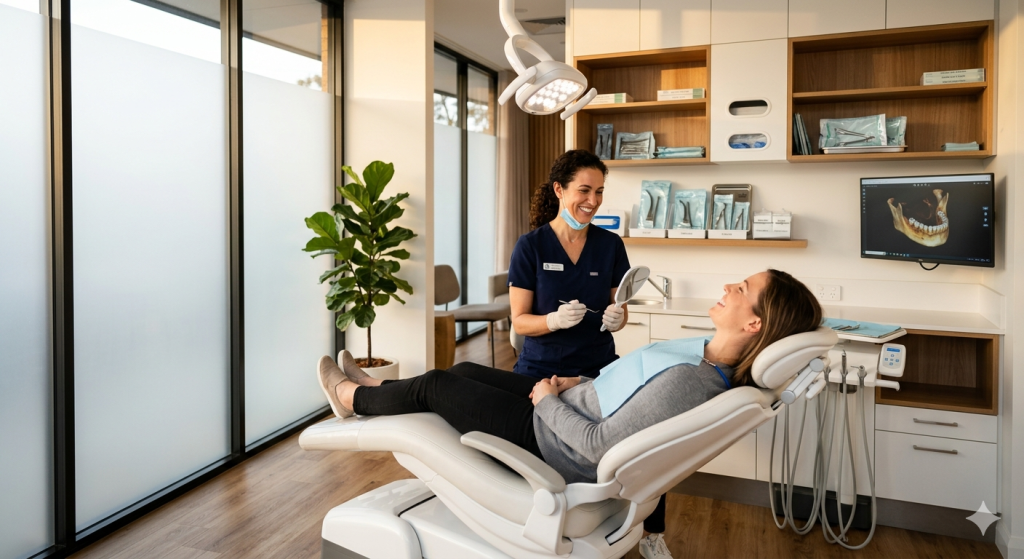
When a dental emergency strikes in Sunrise, FL, knowing where to turn can make all the difference. Whether it’s a sudden toothache, a broken crown, or trauma from an accident, immediate care is essential to prevent further damage and relieve pain quickly. Emergency dental services in Sunrise provide timely treatment with a focus on patient comfort and effective solutions.
These local dental offices are equipped with modern technology to handle unexpected issues, often offering same-day appointments for urgent cases. Patients can expect professional care that prioritizes their well-being, explaining each step clearly to help ease any anxiety.
Having a trusted emergency dental provider nearby means less stress when the unexpected happens. It’s always a good idea to familiarize yourself with available services and options to stay prepared and protect your smile.
Recognizing Dental Emergencies
Knowing when a dental issue requires immediate attention can save teeth and reduce pain. Some problems need prompt care, while others can wait for a regular appointment. Understanding signs and symptoms helps decide the best course of action.
Common Signs and Symptoms
Severe tooth pain that doesn’t improve or worsens over time often signals a serious problem. Swelling around the gums, face, or jaw can indicate infection needing urgent care. Bleeding that won’t stop, especially after trauma, is another critical sign.
Other symptoms include a knocked-out tooth, a cracked or broken tooth exposing the inner pulp, and sudden sensitivity to hot or cold. Patients may also notice pus or a foul taste, signaling an abscess. Any combination of these signs should prompt a quick visit to emergency dental services.
When Urgent Care Is Needed
Immediate care is necessary for injuries like tooth loss, fractured teeth, or uncontrollable bleeding. Pain that disrupts sleep or daily activities without relief from over-the-counter medication also qualifies. Infections that cause fever or spreading swelling require urgent evaluation.
Delaying treatment in these cases can lead to worsening infection, permanent damage, or tooth loss. Emergency dental clinics in Sunrise, FL, are equipped to provide fast diagnosis and pain relief, often stabilizing the problem to avoid more complex procedures later.
Difference Between Routine and Emergency Dental Issues
Routine dental concerns include mild toothache, minor chips, or sensitivity manageable with home care or scheduled visits. Emergencies involve conditions that threaten dental health if neglected, such as severe pain, trauma, or infection.
Routine care focuses on prevention and maintenance. Emergency care aims to stop ongoing damage and relieve acute symptoms. Recognizing this difference helps patients avoid unnecessary panic but also ensures serious problems receive prompt attention.
Immediate Steps to Take During a Dental Crisis
Knowing how to act quickly and effectively can make a big difference when a dental emergency strikes. The following guidelines cover basic at-home care, managing pain and swelling, and what to do if a tooth is knocked out.
At-Home Care Before Seeing a Dentist
When a dental emergency occurs, the first step is to stay calm and assess the situation. Rinse the mouth gently with warm water to clean the area. Avoid using sharp or hard objects near the injury.
Applying a cold compress to the cheek or lips can reduce swelling and numb pain. Over-the-counter pain relievers like ibuprofen help manage discomfort but avoid aspirin if bleeding is present. Avoid eating hard or hot foods until examined by a dentist.
If bleeding continues, applying firm but gentle pressure with clean gauze or a cloth can help stop it. Do not use cotton balls, as fibers might stick to the wound.
Handling Toothaches and Swelling
For toothaches, rinsing with warm salt water can soothe irritation and reduce bacteria. Floss carefully to remove debris lodged between teeth, but avoid probing the painful area.
Swelling around the tooth or jaw indicates possible infection. Applying a cold pack on and off for 15 minutes reduces swelling. If swelling extends to the face, neck, or causes difficulty breathing, seek emergency care immediately.
Pain lasting more than a day or accompanied by fever always requires professional attention. Avoid placing aspirin directly on the gums as it can cause burns.
What to Do for a Knocked-Out Tooth
Time is critical for saving a knocked-out tooth. Locate the tooth, holding it by the crown (the chewing surface), not the root. If dirty, rinse it briefly with water but avoid scrubbing or using soap.
Try to reinsert the tooth into its socket, gently pushing it in. If this isn’t possible, place the tooth between the cheek and gum or in a container with milk or saline solution. Avoid storing it in plain water.
Get to a dentist within 30 minutes if possible, as the chances of saving the tooth decrease significantly after one hour. Handle the tooth carefully to maximize its survival.
Popular Emergency Treatments Available in Sunrise
Emergency dental care in Sunrise focuses on swift relief and lasting results. Whether a patient faces severe pain, injury, or infection, professionals prioritize comfort and effective treatment. Here are some common emergencies handled promptly.
Tooth Extractions
When a tooth is severely damaged or infected beyond repair, extraction may become necessary. Emergency dentists in Sunrise use modern tools to minimize discomfort during the procedure. Local anesthesia ensures patients feel little or no pain.
After extraction, the dentist provides clear aftercare instructions to promote quick healing and reduce the risk of complications like dry socket. Follow-up visits help monitor recovery and discuss options for tooth replacement, such as implants or bridges.
This treatment promptly removes the source of pain and prevents infections from spreading, especially if the damaged tooth threatens surrounding teeth.
Repairing Broken or Chipped Teeth
Accidents can cause cracked, broken, or chipped teeth that demand immediate attention. Emergency dentists assess the damage and decide whether bonding, crowns, or veneers are the best repair options.
Bonding uses tooth-colored resin to fill cracks or chips and restore the tooth’s shape. For larger breaks, a crown might be fitted to protect and strengthen the tooth. These treatments relieve pain, prevent sensitivity, and improve appearance.
Timely repair reduces the risk of further damage and infection. The emergency dentist also advises on pain management until treatment is completed.
Addressing Abscesses and Infections
Dental abscesses are painful infections that require quick treatment to avoid serious complications. Emergency providers in Sunrise drain the abscess and prescribe antibiotics to control infection.
If needed, a root canal removes infected tissue, saving the tooth. Pain relief is also a key focus during treatment. Dentists educate patients on signs of infection and stress the importance of follow-up care.
Early intervention prevents the infection from spreading to other tissues or entering the bloodstream, making emergency treatment essential for safety.
Finding a Reliable Emergency Dentist Nearby
When seeking urgent dental care, patients need quick access to trustworthy professionals who can handle pain and prevent further damage. Locating a dentist that offers flexible hours, clear communication, and the right expertise is crucial for peace of mind during emergency visits.
What to Look For in an Emergency Dental Provider
First, check if the dentist has experience specifically with emergencies such as knocked-out teeth, severe toothaches, or infections. Availability plays a big role—24/7 or after-hours service is vital to avoid long waits.
Patients should also verify the dentist’s credentials and reviews from prior emergency cases. A provider who uses modern tools and techniques can offer quicker, less painful care. Friendly, patient-centered staff who explain treatment options clearly are essential for easing anxiety.
Lastly, it’s important to ensure the office accepts your insurance or offers transparent pricing. This helps avoid unexpected costs when urgency is already stressful.
Tips for Fast Scheduling and Walk-In Appointments
Call the dental office immediately when an emergency occurs; many keep reserved slots for urgent cases. If the office doesn’t answer, check their website or voicemail for emergency instructions.
Walk-in policies vary, so ask if they accept walk-ins or same-day appointments. Some Surgeons allocate specific times for non-scheduled patients, reducing wait times significantly.
When scheduling, be ready to describe symptoms clearly and provide personal and insurance information. This helps the staff prepare the right treatment plan before arrival, speeding up care.
Consider saving contacts of nearby emergency dentists beforehand for quick access during unexpected problems.
Modern Comfort and Pain Relief Options
Emergency dental care in Sunrise, FL focuses on easing pain quickly and making patients feel comfortable throughout treatment. From gentle handling to effective numbing methods, dentists use several approaches to reduce discomfort and anxiety.
Gentle Techniques for Nervous Patients
For patients feeling anxious, many dentists in Sunrise use calming communication and slow, deliberate movements to create a sense of control and safety. These gentle techniques help reduce fear and make treatments less stressful.
Some practices offer distraction methods, such as headphones with music or TV screens, to draw attention away from dental work. The goal is to ease tension through a supportive environment, helping patients stay relaxed even during urgent procedures.
Advanced Local Anesthesia
Local anesthesia options have improved, providing fast and targeted pain relief for emergency dental issues. Dentists now use topical numbing gels before injections to minimize initial needle pain.
The anesthetic medications block nerve signals precisely where needed without affecting overall consciousness. This allows emergency treatment to proceed without discomfort, whether it’s for a tooth extraction or root canal.
Sedation Choices Explained
Sedation is available in different forms depending on patient needs and procedure complexity. Nitrous oxide (laughing gas) is commonly used for mild relaxation. It works quickly and wears off soon after treatment.
For deeper sedation, options like oral sedatives or intravenous (IV) sedation can be administered. These help patients stay calm or even sleep during more invasive emergency care. After sedation, monitoring ensures patient safety before discharge.
Preventive Tips to Avoid Future Dental Emergencies
Preventing dental emergencies often starts with simple daily habits. Brushing twice a day and flossing regularly help keep teeth strong and gums healthy, reducing the risk of infections and decay.
Using a mouthguard during sports or physical activities can protect teeth from sudden impacts. It’s a small step that can prevent painful injuries like chipped or knocked-out teeth.
Diet plays a key role too. Limiting sugary and acidic foods helps protect enamel from erosion. Drinking plenty of water supports saliva production, which naturally cleans the mouth and fights bacteria.
Regular dental check-ups are essential. Dentists can spot early signs of problems and treat them before they become emergencies. Scheduling visits every six months is a good rule of thumb.
Avoid using teeth as tools to open packages or bite hard objects like ice. These actions often lead to cracks or breaks that require urgent care.
| Preventive Tip | Why It Helps |
|---|---|
| Brush and floss daily | Removes plaque and prevents decay |
| Wear a mouthguard | Protects against injury |
| Limit sugary foods | Prevents enamel erosion |
| Drink water regularly | Maintains saliva flow |
| Schedule dental check-ups | Catches problems early |
| Avoid biting hard objects | Prevents cracks and breaks |
Encouraging patients to take these steps not only keeps their smile healthy but also reduces the stress and pain of unexpected dental troubles. If questions arise, consulting a Sunrise FL dental expert can provide personalized advice and comfort.
Insurance, Payment, and Affordable Care in Sunrise
Understanding insurance and payment options can ease the stress of emergency dental care. Many providers in Sunrise offer flexible plans and work with community resources to help patients manage costs without delaying treatment.
Accepted Insurance Plans
Most emergency dental offices in Sunrise accept a wide variety of insurance plans, including major providers like Delta Dental, Cigna, Aetna, and UnitedHealthcare. Some practices also accept Medicaid, depending on eligibility. It’s important for patients to verify coverage before visits since plans differ in their emergency service benefits and copay structures.
Many clinics provide upfront explanations of coverage, helping patients know what portion of the bill they’ll be responsible for at the time of care. This transparency prevents surprises and promotes timely treatment. If a patient’s insurance isn’t accepted, offices usually discuss other payment options.
Flexible Payment Arrangements
To accommodate unexpected expenses, several Sunrise dental clinics offer flexible payment plans. These can include interest-free financing for a set period or monthly installment options tailored to individual budgets. Patients are encouraged to discuss these plans upfront to avoid financial stress after treatment.
Some practices partner with third-party financing companies like CareCredit or LendingClub, making it easier for patients to spread out payments for urgent care. Clinics also sometimes provide discounts for prompt payment or multiple family members receiving care together.
Community Resources for Uninsured Patients
For uninsured patients in Sunrise, various community programs and clinics offer affordable emergency dental care. Nonprofit dental clinics and health centers may provide sliding scale fees based on income or even low-cost treatment days. Local health departments occasionally run dental outreach events aimed at urgent care.
Patients without insurance should inquire about eligibility for these programs at their nearest clinic. Additionally, some dentists offer reduced fees for emergencies when financial hardship is disclosed. Connecting with these resources early ensures emergency needs are addressed without unnecessary delay.
How Sunrise Dental Clinics Support the Community
Sunrise dental clinics play a vital role in offering accessible emergency dental care to their community. They understand that dental emergencies can happen at any time, so many clinics provide extended hours or same-day appointments to address urgent needs quickly.
Many clinics also focus on patient comfort, using modern technology to reduce pain and anxiety during treatments. This approach helps residents feel more at ease when facing sudden dental issues like toothaches or injuries.
Beyond emergencies, Sunrise dental facilities emphasize preventive care. They offer education on everyday dental hygiene, aiming to reduce future crises through regular check-ups and cleanings. This proactive stance benefits the entire community by promoting long-term oral health.
The staff often engage in community outreach, hosting free screenings or school programs to raise awareness about dental health. These efforts make professional care more approachable and help identify problems before they escalate.
| Services Provided | Community Benefits |
|---|---|
| Emergency tooth extraction | Quick relief and pain control |
| Same-day or extended hours | Access outside regular times |
| Preventive care education | Fewer emergencies over time |
| Outreach programs | Improved public dental knowledge |
By combining emergency services with education and outreach, Sunrise dental clinics create a supportive environment for their neighbors. They encourage anyone with questions or concerns to reach out and schedule a consultation early.
Your Next Steps Toward Peace of Mind
When a dental emergency strikes, acting quickly can make all the difference. The first step is to contact a trusted emergency dental service in Sunrise, FL, as soon as possible. Many offices offer same-day appointments or after-hours care to ease your discomfort.
It’s important to stay calm and provide clear information about the problem. This helps dental professionals prepare in advance and deliver the most effective treatment. Meanwhile, simple home care—like rinsing with warm salt water or applying ice packs—can reduce pain and swelling.
Preparing a small dental emergency kit with items like gauze, a small container for a knocked-out tooth, and over-the-counter pain relief can also be helpful. Knowing who to call and what to do minimizes stress during unexpected situations.
Quick checklist:
- Call your emergency dentist immediately
- Describe your symptoms clearly
- Use home remedies for temporary relief
- Have emergency numbers handy
Taking these steps supports faster treatment and a smoother recovery. Encouraging patients to ask questions and understand their options builds confidence and comfort when facing dental emergencies.
Frequently Asked Questions
Emergency dental situations can range from severe pain to minor issues like a lost filling. Knowing when to seek immediate care, how to manage discomfort at home, and what to expect during your visit helps patients feel more prepared and confident.
What counts as a true dental emergency versus something that can wait until morning?
True emergencies include uncontrollable bleeding, severe pain, a knocked-out tooth, or swelling that affects breathing or swallowing. Mild discomfort, a loose filling without pain, or sensitivity usually can wait until regular office hours.
If I have severe tooth pain after hours, should I go to the ER or call an emergency dentist?
For severe dental pain without trauma, calling an emergency dentist is best. The ER handles general medical emergencies and may not provide definitive dental treatment. However, if there’s difficulty breathing, severe swelling, or injury to the face, the ER should be contacted immediately.
What can I do at home to safely manage tooth pain or swelling until I’m seen?
Rinsing your mouth with warm salt water can reduce bacteria and ease pain. Over-the-counter pain relievers like ibuprofen help reduce inflammation. Applying a cold compress to the outside cheek may lessen swelling. Avoid very hot, cold, or sugary foods until your appointment.
How quickly can I be seen for a broken tooth, lost filling, or knocked-out tooth?
Many emergency dentists offer same-day appointments or see patients within a few hours. Quick care is crucial for a knocked-out tooth to improve chances of saving it. Broken teeth and lost fillings should be addressed promptly to avoid infection or further damage.
What are my options if I need urgent dental care but I’m worried about the cost?
Emergency dental offices often provide payment plans or accept insurance to make treatment affordable. Some clinics offer sliding scale fees or financing options. Calling ahead to discuss costs can help set expectations and avoid surprises.
What should I bring or be ready to share when I call for an urgent dental appointment?
Have your dental history, insurance information, and a description of symptoms ready. It helps to note when the problem started and any treatments already tried. Mention any allergies or medications you take to ensure safe treatment planning.