

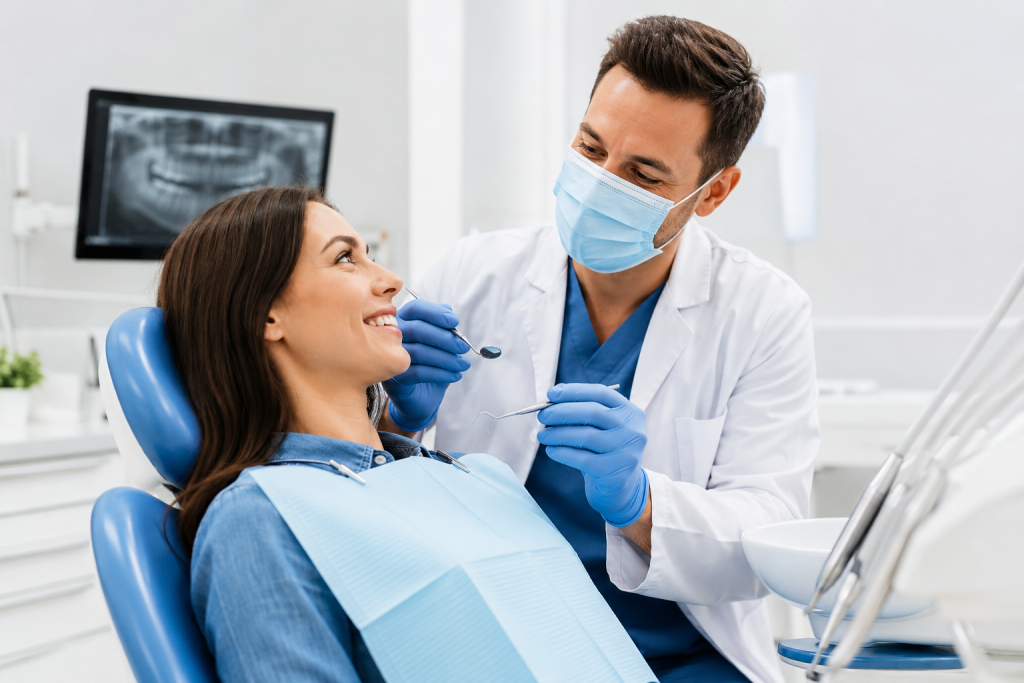
You can find affordable dental care in Sunrise, FL, without sacrificing quality or comfort. Local clinics, sliding-scale programs, and flexible payment plans make routine cleanings, fillings, and many restorative services accessible for most budgets.
This article will explain how dental costs break down, which budget-friendly treatments deliver the best value, and how insurance, community resources, and preventive care lower your long-term expenses. Expect practical tips on choosing a dentist who balances cost with modern technology and patient comfort.
You’ll also learn how to evaluate payment options and when to seek low-cost community clinics or special offers, so you can take the next step toward a healthier smile with confidence.
Understanding the Cost of Dental Services
Costs vary by procedure complexity, materials used, and whether the practice accepts insurance or offers payment plans. Transparency about fees, expected out-of-pocket expenses, and available financing helps patients plan for care.
Common Factors Influencing Dental Pricing
Location affects prices: Sunrise, FL practices with newer equipment and higher overhead often charge more than small-town clinics. Staffing and facility costs — hygienists, dental assistants, lab fees, and rent — get built into every appointment fee.
Materials and lab work matter. Composite fillings, ceramic crowns, and implant parts each have different price points depending on brand and quality. Custom lab work for crowns or dentures raises costs compared with off-the-shelf options.
Provider experience changes the rate. Specialists (endodontists, periodontists, oral surgeons) usually bill higher for advanced procedures. Insurance participation and negotiated fee schedules can lower patient costs; self-pay or out-of-network visits typically cost more.
Ask about bundled fees versus itemized billing, and check for extra charges like X-rays, anesthesia, or aftercare.
Differences Between Preventive and Restorative Treatments
Preventive care—cleanings, exams, fluoride, and routine X-rays—has lower per-visit cost and reduces long-term spending by catching problems early. Many insurance plans cover two cleanings and exams per year, often at low or no cost, which makes preventive visits the most cost-effective choice for most patients.
Preventive appointments usually require minimal materials and chair time, which keeps fees predictable.
Restorative care—fillings, root canals, crowns, implants, and dentures—requires more chair time, specialist skills, and lab services. Prices vary widely: a single-surface composite filling in Sunrise might cost substantially less than a crown or implant that involves multiple appointments and custom lab work.
Restorative procedures also carry follow-up and maintenance costs. Patients should request an itemized estimate, compare material options (e.g., porcelain vs. metal-ceramic crown), and discuss phased treatment plans or financing to manage expenses.
Popular Budget-Friendly Treatments
These common treatments help patients maintain oral health affordably. They focus on prevention, quick repairs, and basic diagnostics to avoid more expensive care later.
Dental Cleanings and Exams
Routine cleanings remove plaque and tartar that cause cavities and gum disease. A typical cleaning in Sunrise, FL, includes scaling, polishing, and a brief oral cancer screening, usually taking 30–60 minutes.
Many clinics offer sliding-scale fees, community clinic pricing, or bundled preventive-care plans that lower out-of-pocket costs. Dental hygienists provide personalized home-care tips—such as flossing technique and toothpaste recommendations—to extend the time between professional cleanings.
Insurers and Medicaid plans often cover at least one preventive visit per year; uninsured patients can find low-cost options through dental schools or community health centers. Patients should ask about membership plans that include two cleanings and two exams annually for a fixed monthly or yearly fee.
Affordable Fillings and Repairs
Small cavities and minor tooth damage can often be fixed in a single visit with composite (tooth-colored) fillings. Composite materials bond to enamel, require less tooth removal than amalgam, and provide a natural appearance without a significant price increase in many practices.
Prices vary with size and number of fillings; some offices offer payment plans or discounts for multiple restorations completed during the same appointment. For older restorations or cracked teeth, dentists may recommend onlays or crowns—these cost more, but early intervention with a filling frequently prevents that need.
Patients should ask the clinic for a written estimate, compare material options (composite vs. amalgam), and confirm whether follow-up care or sensitivity treatment is included in the price. Prompt repair lowers the risk of root canals or extractions, which carry higher expenses.
Low-Cost X-Rays and Diagnostics
Digital X-rays provide fast, low-radiation imaging useful for detecting decay, bone loss, and impacted teeth. Many Sunrise clinics include bitewing X-rays with new-patient exams or charge a modest fee for full-mouth series when clinically necessary.
Affordable diagnostics also include oral cancer screenings and intraoral camera exams that let patients see problem areas in real time. Dental offices sometimes discount diagnostic fees for patients who then proceed with recommended treatment, so combining services can reduce total cost.
Patients should confirm which images are essential and request older films be shared between providers to avoid duplicate imaging. Asking for itemized billing and discussing alternatives—such as selective rather than full-mouth X-rays—helps control expenses while ensuring proper diagnosis.
Insurance and Payment Options
Patients find clear choices for lowering costs: using dental insurance optimally and taking advantage of flexible payment plans. Understanding coverage limits, deductibles, and in-network benefits helps predict actual bills before treatment begins.
How Dental Insurance Affects Out-of-Pocket Costs
Dental insurance typically covers preventive care like cleanings and exams at 80–100%, which reduces routine expenses immediately. Major services such as crowns, root canals, and implants often fall into 50% coverage or are subject to annual maximums—check the exact percentage and your remaining yearly allowance.
Deductibles and waiting periods can increase short-term costs. Many plans require a yearly deductible ($25–$150 common) and may enforce 6–12 month waiting periods for major restorative work. Confirm preauthorization for implants or bridges to avoid surprise denials.
Using an in-network provider usually lowers fees through contracted rates. Out-of-network care can cost more; ask the office for a pre-treatment estimate that lists total charge, insurance payment, and your expected balance. Keep copies of EOBs (Explanation of Benefits) to reconcile charges and appeal denied claims.
Flexible Monthly Payment Plans
Many Sunrise FL practices partner with third-party financers to offer 0% APR plans for 6–12 months or low-interest plans up to 60 months. These plans commonly require a soft credit check and instant approval at the front desk, making larger procedures manageable without depleting savings.
Offices also offer in-house sliding-scale payments based on household income and family size, particularly for uninsured, low-income, or elderly patients. These arrangements often reduce fees and spread payments over several months with no interest.
Patients should request a written payment agreement detailing installment amounts, due dates, and any late fees. Comparing the total cost across insurance co-pays plus plan interest versus paying upfront will identify the least expensive option. Staff can run side-by-side estimates to show which combination — insurance plus a short-term plan or a longer low-interest loan — minimizes out-of-pocket expense.
Community Programs and Resources
This section highlights where residents can find low-cost dental care, sliding-scale clinics, and city-supported public health efforts that increase access to routine and emergency dental services.
Local Clinics with Sliding Scale Fees
Several clinics in Sunrise and nearby Broward County offer sliding-scale fees based on income, household size, and proof of eligibility. The Sunrise Community Health Center accepts Medicaid and provides reduced-fee exams, cleanings, and simple fillings; patients should call ahead for documentation requirements and appointment availability. Volunteer-based clinics, such as rotating charity dental events at local churches, provide free extractions and limited restorative care during scheduled community drives. Some private practices participate in CareCredit or offer in-office payment plans for larger procedures, making crowns and root canals more affordable over time. Patients should verify whether clinics require residency in Sunrise or a Broward County ID, and confirm which services are covered at reduced rates before scheduling.
Public Health Initiatives in Sunrise
The City of Sunrise partners with Broward County Public Health to fund school-based sealant programs and adult preventive outreach at community centers. Mobile dental units periodically visit senior centers and the Sunrise Civic Center to deliver screenings and fluoride treatments; these events often waive copays for uninsured attendees. Public clinics connected to the Florida Department of Health run enrollment assistance for Medicaid and the Children’s Health Insurance Program (CHIP), helping families complete applications on-site. Residents can use the county’s online locator or call 311 to find upcoming public events, verify age or income limits, and book appointments for mobile clinic visits.
Choosing the Right Dentist for Your Budget
Finding affordable dental care in Sunrise, FL means balancing cost with quality, convenience, and comfort. Patients should prioritize transparent pricing, payment options, and a practice atmosphere that reduces anxiety while delivering essential services.
What to Look for in an Affordable Practice
Look for clear, itemized price lists for common services like cleanings, fillings, and crowns. Practices that publish fees or offer printable estimates reduce surprise bills and make comparison shopping possible.
Confirm the dentist’s credentials and years of local experience. A dentist who maintains continuing education, uses digital x-rays, and follows infection-control protocols provides better value than a lower price alone.
Check for flexible payment options: sliding-scale fees, in-office payment plans, third-party financing (CareCredit), and membership plans for uninsured patients. Verify whether the office files insurance claims electronically and provides pre-treatment estimates.
Assess office accessibility: evening or weekend hours, proximity to public transit, and bilingual staff can lower indirect costs (time off work, transportation). Read recent patient reviews that mention wait times, staff friendliness, and clarity of billing.
Questions to Ask During Your First Visit
Ask for a cost breakdown of the recommended treatment, including fees for consultation, diagnostics, and each procedure. Request a written estimate and the expected timeline for completion.
Inquire about alternative, lower-cost treatment options and the pros and cons of each. For example, ask whether composite fillings or amalgam alternatives are appropriate and how long each option typically lasts.
Confirm what is included in preventive visits: are x-rays, fluoride, and oral cancer screening part of the routine exam fee? If not, ask for individual prices before proceeding.
Ask about emergency care and after-hours contact procedures. Knowing whether the dentist handles urgent problems or refers to an emergency clinic helps avoid costly ER visits.
Finally, ask about financial policies: cancellation fees, late payment charges, and insurance filing practices. Clear answers prevent billing surprises and help patients plan care within their budget.
Preventive Care for Long-Term Savings
Preventive care focuses on low-cost daily habits and regular dentist visits that reduce the need for costly treatments later. Small changes at home and consistent checkups preserve teeth and savings over years.
Home Hygiene Tips to Avoid Expensive Procedures
Daily brushing and flossing cut plaque buildup that leads to cavities and gum disease. Recommend brushing twice a day with a soft-bristled brush and fluoride toothpaste for two minutes, using gentle circular motions along the gumline.
Flossing once daily removes interdental food and biofilm where cavities often start. If traditional floss is difficult, suggest interdental brushes or water flossers; both lower risk of root decay and the need for fillings.
Limit sugary and acidic snacks, and rinse with water after consuming them to neutralize acids. Drinking tap water with fluoride supports enamel strength; consider a fluoride mouthrinse if at increased cavity risk.
Use a night guard if grinding teeth, and replace toothbrushes every 3 months or after illness. These steps prevent fractures, wear, and costly crowns or root canals.
The Importance of Routine Checkups
Routine checkups let dentists catch small problems before they require extensive work. A six-month exam plus cleaning removes hardened tartar, spots early decay, and checks for gum inflammation.
Professional cleanings reduce pocket depth around teeth, lowering periodontal progression and the likelihood of expensive periodontal therapy. Dentists perform digital X-rays selectively to detect hidden decay and bone loss early.
During visits, dentists offer targeted preventive treatments like fluoride varnish or dental sealants for children and adults with deep grooves in molars. They also create personalized care plans, adjusting hygiene recommendations and monitoring risk factors such as diabetes or smoking.
Scheduling appointments when recommended keeps treatment simple and predictable, and discussing costs or payment options at the visit helps avoid unexpected bills. Patients should call their Sunrise office to arrange an exam or ask about affordable preventive plans.
Modern Technology and Comfort
This practice combines faster, more accurate diagnostics with comfort-focused techniques to lower cost, speed treatment, and reduce anxiety. Patients benefit from digital imaging, same-day restorations, and proven relaxation methods that shorten visits and improve outcomes.
Innovations That Make Care More Efficient
Digital X-rays and intraoral cameras produce high-resolution images in seconds, cutting radiation exposure by up to 80% compared with traditional film. These images let the dentist spot cavities, cracks, and bone loss earlier, which often reduces the need for extensive procedures later.
CAD/CAM technology mills crowns and veneers on-site, enabling same-day restorations that remove multiple appointments and lab fees. Cone-beam CT (CBCT) scans provide 3D views for implant planning, improving placement accuracy and reducing complication risk.
Electronic health records streamline insurance claims and preauthorizations, helping keep out-of-pocket costs predictable. Sterilization tracking and modern equipment maintenance policies reduce downtime and keep appointments on schedule.
Patient-Friendly Techniques for Reduced Anxiety
Nitrous oxide (laughing gas) offers fast-acting, controllable anxiety relief, with effects wearing off within minutes after a procedure. For patients preferring no drugs, the office provides noise-cancelling headphones, weighted blankets, and adjustable chair positions to increase comfort during longer treatments.
Topical anesthetics and computer-assisted local anesthesia (e.g., The Wand) minimize injection discomfort by delivering numbing medication slowly and steadily. Clinicians use gentle pacing and regular check-ins, giving patients clear cues about progress and sensations.
Flexible scheduling, clear cost estimates before treatment, and short, focused appointments reduce stress tied to time and money. Staff receive training in compassionate communication to help patients feel respected and informed at every step.
Taking the Next Step Toward a Healthier Smile
They can start by scheduling a simple exam to establish a baseline for oral health. Many clinics in Sunrise, FL offer affordable new-patient visits that include an exam and X-rays, making it easier to plan care without surprise costs.
A clear treatment plan helps patients understand priorities and timelines. The dentist will explain options—preventive cleanings, fillings, or restorative work—using plain language and realistic cost estimates.
Insurance and payment options often reduce out-of-pocket burden. Patients should ask about Medicaid, PPO plans, sliding-scale fees, and in-office financing to find the best fit for their budget.
Preventive steps can lower future expenses and improve comfort. Regular cleanings, daily flossing, and timely treatment of small issues prevent more complex procedures later.
They may feel anxious about appointments; modern practices use comfort measures and sedation choices when needed. Staff will review preferences and medical history to create a calm, safe experience.
Call or message the Sunrise clinic to confirm availability and ask about new-patient specials. Bringing a list of medications and a short dental history speeds the visit and helps the team provide personalized care.
Frequently Asked Questions
This section answers concrete concerns about finding affordable, quality dental care in Sunrise, FL. It explains where to look, what low-cost services exist, payment options, questions to ask at the first visit, programs for major work, and everyday prevention tips.
How can I find a trustworthy dentist nearby that fits my budget?
Search local dental practices with online reviews, state board records, and clear pricing on their websites. Look for dentists who list credentials, offer a free or low-cost initial exam, and belong to local professional groups.
Call practices to confirm fees for routine care and ask whether they accept your insurance or offer sliding-scale rates. Recommendations from coworkers, neighbors, or pharmacies often point to reliable, budget-friendly providers.
What low-cost options are available for cleanings, exams, and X-rays without sacrificing quality?
Community dental clinics and dental schools often provide cleanings, exams, and X-rays at reduced rates. Sunrise-area clinics may use licensed dentists supervised by faculty, which maintains quality while lowering costs.
Retail dental chains and some private practices run promotion days with discounted prophylaxis and diagnostic X-rays. Verify that the clinic uses current sterilization protocols and explains findings clearly before any additional care.
Do local dental offices offer payment plans or in-house memberships to help spread out the cost?
Many Sunrise practices provide in-house membership plans that cover routine exams, two cleanings per year, and basic X-rays for a fixed annual fee. These plans bypass insurance and reduce out-of-pocket costs for preventive care.
Payment plans through the office or third-party finance companies can divide larger treatments into monthly payments. Patients should request written terms, interest rates, and total cost before signing.
What should I ask during my first visit to understand the full price of treatment before getting started?
Ask for a written estimate that lists fees for diagnostics, treatment steps, materials, and follow-up visits. Request alternatives (e.g., composite vs. amalgam fillings, crown types) with price comparisons and longevity expectations.
Confirm which services are covered by insurance and what portion will be patient responsibility. Ask about additional fees such as lab costs, anesthesia, or emergency visits so there are no surprises.
Are there clinics or programs that can help reduce the cost of fillings, crowns, or root canals?
Federally qualified health centers (FQHCs), nonprofit dental clinics, and dental schools often provide restorative care at lower rates. Some organizations and charities run periodic clinics offering reduced-cost or donated dental work.
Local hospitals and social services may maintain lists of sliding-scale providers or temporary funding programs for urgent dental needs. Call ahead to learn eligibility rules and wait times.
How can I prevent cavities and gum problems at home so I need fewer costly treatments later?
Brushing twice daily with fluoride toothpaste and flossing once a day reduces plaque and lowers the chance of cavities and gum disease. Using a soft-bristled brush and replacing it every three months supports gum health.
Limit sugary drinks and snacks, and choose water after meals when possible. Schedule routine checkups and cleanings every six months or as recommended so early problems get treated before they require expensive procedures.
Contact a local Sunrise dental office to discuss specific pricing, membership plans, or to schedule a consultation tailored to individual needs.