

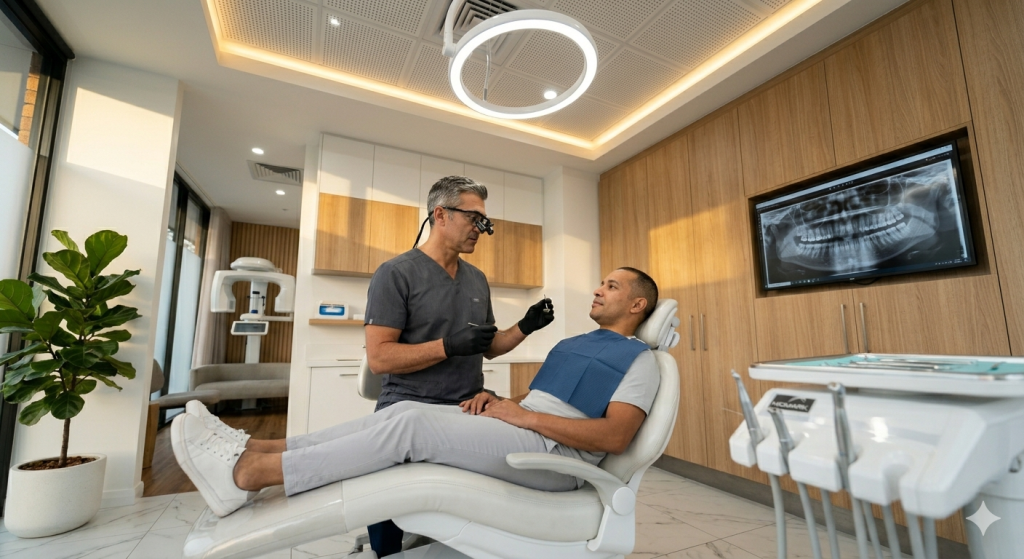
When a dental emergency strikes in Sunrise, FL, finding prompt care is essential to prevent pain and further damage. An emergency dentist in Sunrise is available to provide quick, effective treatment for issues like severe toothaches, broken teeth, or lost fillings. Knowing where to turn can make a big difference in managing discomfort and protecting your smile.
Many people hesitate to seek emergency dental help because they’re unsure what counts as urgent, but simple problems can quickly become serious without care. Emergency dentists offer modern solutions tailored to ease pain and solve dental problems immediately. Whether it’s a weekend or late evening, these professionals are ready to help when regular offices are closed.
What Qualifies as a Dental Emergency?
Dental emergencies involve urgent issues that cause severe pain, bleeding, or risk permanent damage. Knowing when to seek immediate care can protect teeth and overall health. Some situations need quick action, while others can wait for a routine visit.
Common Types of Dental Emergencies
Toothaches that come on suddenly and do not improve with over-the-counter pain relief can signal serious problems like infection. Knocked-out teeth require fast dental attention within an hour to improve chances of saving the tooth.
Other emergencies include broken or chipped teeth that cause pain or sharp edges, lost fillings or crowns exposing sensitive areas, and injuries causing swelling or bleeding inside the mouth. Abscesses—pus-filled infections—are a serious concern and often cause facial swelling and fever.
These conditions demand prompt care to prevent complications or worsening pain. In some cases, antibiotics, drainage, or emergency tooth repair is necessary.
How to Recognize a True Emergency
A dental issue becomes an emergency when it involves uncontrollable pain, bleeding that won’t stop, or risk of tooth loss. For instance, severe tooth pain that radiates to the jaw or head, or swelling affecting the face or neck, indicates a serious problem.
Minor discomfort, slight sensitivity, or a loose tooth without pain usually does not qualify as an emergency. However, persistent pain lasting more than 24 hours or worsening symptoms should prompt a dental visit.
If there is trauma to the face accompanying dental injury, like difficulty breathing or bleeding from other areas, emergency medical help should be sought immediately.
Risks of Waiting for Treatment
Delaying emergency dental care can lead to infection spread, more intense pain, or permanent damage to teeth and gums. An untreated abscess can spread infection to the jawbone or bloodstream, causing serious health issues.
Broken teeth left untreated may cause nerve damage, infection, or misalignment, complicating future treatments. Waiting can increase the chances of needing more invasive procedures like root canals or extractions.
Early treatment often reduces discomfort and protects long-term oral health. Prompt care also helps preserve natural teeth and maintain your smile.
Immediate Steps to Take During a Dental Emergency
Quick action can reduce pain, prevent further damage, and improve outcomes during a dental emergency. Knowing how to manage common issues like pain, knocked-out teeth, or lost dental work can make all the difference until professional care is available.
Managing Pain and Swelling at Home
When sudden dental pain or swelling strikes, the first step is to rinse the mouth gently with warm salt water. This helps clean the area and reduce bacteria. Applying a cold compress to the cheek can ease swelling and numb discomfort.
Over-the-counter pain relievers like ibuprofen are effective for reducing pain and inflammation. Avoid placing aspirin directly on the gums, as it can cause burns. Keep your head elevated to minimize swelling, especially when lying down.
Avoid hard or hot foods until the pain subsides. If pain is severe or lasts more than a day, it’s critical to seek professional care promptly.
How to Handle Knocked-Out Teeth
If a tooth is completely knocked out, time is crucial. Locate the tooth and pick it up by the crown (the chewing surface), not the root, to avoid damaging tissue.
If possible, gently rinse the tooth with milk or saline solution—avoid scrubbing. Attempt to reinsert the tooth carefully into the socket. If reinserting isn’t possible, store the tooth in milk or a sterile saline solution to keep it moist.
Get to an emergency dentist immediately—ideally within 30 minutes. Quick reimplantation improves the chances of saving the tooth.
What to Do If You Lose a Filling or Crown
Losing a filling or crown can cause sensitivity and discomfort. If the crown is intact, try to place it back over the tooth temporarily using dental cement available at pharmacies. Avoid using glue or household adhesives.
If no dental cement is handy, use sugar-free gum as a temporary fix. Keep the area clean by rinsing with warm water.
Avoid chewing on the affected side to prevent further damage. Schedule an appointment quickly to prevent decay or infection from developing under the exposed tooth.
Why Choose an Emergency Dentist in Sunrise FL
Choosing an emergency dentist nearby means faster care and less stress during dental crises. Local providers offer quick access, often with flexible hours and personalized service that can make all the difference when time is critical.
Benefits of Local Emergency Care
Having an emergency dentist right in Sunrise FL reduces the time between problem and treatment. This helps prevent minor issues from becoming severe by addressing pain, infections, or trauma quickly.
Local dentists are familiar with community health trends and possible environmental factors affecting dental health. Their closeness also makes follow-ups and ongoing care easier to manage.
Patients benefit from a welcoming, familiar environment that can ease anxiety often tied to emergency visits. This comfort encourages prompt attention, which leads to better outcomes overall.
Availability and Response Times
Sunrise emergency dentists often offer extended hours, including evenings and weekends—key for those unexpected accidents. Immediate availability reduces wait times that can lead to worsening pain or damage.
Most local clinics accept walk-ins or same-day appointments during emergencies. This responsive approach helps patients avoid prolonged discomfort and limits the need for emergency rooms focused on broader medical needs, rather than specialized dental care.
Fast communication, whether by phone or online appointment booking, ensures rapid triage and treatment planning tailored to urgent dental needs.
What Sets Sunrise FL Dentists Apart
Dentists in Sunrise prioritize patient comfort with modern technology like digital X-rays and sedation options, reducing procedure time and anxiety. Their approach balances effective treatment with gentle care.
Many emergency dentists in Sunrise also focus on educating patients about preventing future emergencies through personalized advice and follow-up care plans.
Community-oriented care means these dentists often collaborate with local specialists when complex situations arise, ensuring comprehensive treatment without long travel or delays.
Scheduling a consultation with a Sunrise emergency dentist can clarify treatment options and prepare you for any unexpected dental issues.
Modern Treatments for Urgent Dental Care
Emergency dental care today focuses on relieving pain quickly and minimizing stress. Patients benefit from advanced methods that prioritize comfort and use cutting-edge equipment to speed diagnosis and treatment.
Pain-Free Techniques and Comfort Options
Dentists use various pain management methods tailored to urgent cases. Local anesthesia remains a standard, numbing only the affected area for quick relief during procedures like tooth extractions or root canals. For anxious patients, sedation options such as nitrous oxide (“laughing gas”) or oral sedatives help calm nerves without putting them to sleep entirely.
Comfort doesn’t stop at pain control. Modern dental offices often provide soft pillows, blankets, and noise-canceling headphones. These small touches ease discomfort and create a calming environment during unexpected visits. Additionally, dentists use gentle techniques and take time to explain each step, reducing patient stress and allowing for a smoother emergency experience.
Advanced Technology for Faster Relief
High-tech tools play a crucial role in emergency dentistry by speeding diagnosis and improving accuracy. Digital X-rays offer immediate, clear images with less radiation than traditional films, helping identify issues like fractures or infections quickly. Intraoral cameras give patients a close-up view of their dental problems, which aids understanding and decision-making.
Laser dentistry is also increasingly common in urgent care. It can reduce bleeding and swelling during treatments and often eliminates the need for stitches. This technology makes repairs and soft tissue procedures quicker and less painful, which is especially beneficial during emergencies when time and comfort matter most.
Preventing Future Dental Emergencies
Good daily care and smart precautions can reduce the chance of urgent dental problems. Caring for teeth well and protecting them during activities are practical steps anyone can take to avoid unexpected trips to the emergency dentist.
Everyday Habits for Stronger Teeth
Maintaining strong teeth starts with consistent dental hygiene. Brushing twice a day with fluoride toothpaste helps remove plaque that can cause decay and weaken enamel. Flossing daily reaches areas a toothbrush can’t, preventing gum disease that might lead to tooth loss.
Limiting sugary snacks and drinks reduces acid attacks on teeth. Drinking water, especially after meals, helps wash away food particles and keeps saliva flowing. Saliva neutralizes acids and supplies minerals essential for tooth repair.
Regular dental check-ups catch problems early, before they turn into emergencies. A dentist can offer personalized advice on diet, brushing techniques, and treatments like sealants to protect vulnerable teeth.
Protective Gear for Sports and Activities
Wearing a mouthguard during contact sports or activities with risk of dental injury is crucial. Custom-fitted mouthguards from a dental professional provide better comfort and protection than store-bought versions. They absorb shocks and prevent broken or knocked-out teeth.
For activities like biking or skateboarding, helmets with face guards reduce the risk of impact to the mouth. Even in non-contact sports, sudden falls can cause serious dental trauma.
Children and adults alike should use appropriate protective gear when active. Investing in this gear lowers the chance of painful injuries that require emergency visits and extensive dental work. Dentists can recommend the right type of protection based on the activity.
What to Expect at Your Emergency Dental Visit
A visit to an emergency dentist in Sunrise, FL often brings quick, focused care designed to relieve pain and address urgent dental issues immediately. Patients can expect a clear process from assessment to treatment, followed by tailored aftercare advice for a smooth recovery.
Step-by-Step Care Process
The appointment begins with a detailed review of the patient’s symptoms and dental history. The dentist will perform a thorough examination, which may include X-rays to pinpoint the issue, such as a cracked tooth or infection.
Next, the dentist will explain the diagnosis and outline treatment options. Common procedures include pain relief, tooth repair, or extraction if necessary. The goal is to stabilize the problem quickly, with comfort as a priority.
Patients can expect professional use of numbing agents or sedation if needed. The dentist will also advise on immediate measures to manage pain and prevent further damage before leaving the office.
Aftercare and Recovery Tips
After treatment, the dentist provides clear instructions to help healing. This typically involves avoiding hard foods, practicing good oral hygiene, and taking prescribed medications on schedule.
Pain or swelling can be managed with over-the-counter painkillers and cold compresses. Patients should also watch for signs of infection, such as increased pain or fever, and contact the dentist immediately if these occur.
Scheduling a follow-up visit ensures the injury or condition is healing properly. Emergency dentists in Sunrise emphasize patient comfort and long-term dental health with personalized aftercare plans.
How to Stay Connected With Your Neighborhood Dentist
Staying in touch with a local dentist ensures timely care when emergencies happen. Most dental offices offer multiple ways to connect, including phone calls, email, and even text messages for quick responses.
Patients can benefit from regular updates about office hours, new services, or tips for dental health. Signing up for a dentist’s newsletter or following their social media pages keeps people informed and engaged.
It is helpful to keep the dentist’s contact information handy. Writing it down or saving it in a phone contact list means no time is wasted during an emergency.
Visiting the dentist for routine check-ups builds trust and familiarity. This relationship makes it easier to communicate openly about any concerns or sudden dental problems.
Here are simple ways to stay connected:
- Schedule regular appointments
- Ask about after-hours contact options
- Join patient loyalty programs or memberships
- Follow social media for quick updates
Good communication helps the dentist provide personalized care. They can offer advice tailored to your needs and spot potential issues early.
Encouraging patients to call or visit at the first sign of trouble helps avoid more complex treatments later. Staying connected supports peace of mind and overall dental health.
Frequently Asked Questions
Knowing how to respond during a dental emergency can reduce pain and protect your smile. Understanding the difference between urgent and non-urgent situations, and what to do next, is essential.
What counts as a true dental emergency versus something that can wait until regular hours?
A true dental emergency involves severe pain, uncontrolled bleeding, or trauma like a knocked-out tooth. Minor issues like a small chip or mild sensitivity usually can wait.
If swelling or infection threatens your overall health, that also qualifies as urgent. It’s safest to get prompt care when in doubt.
If I have a dental emergency and don’t have a regular dentist, what should I do first?
Locate an emergency dentist in Sunrise, FL, who accepts walk-ins or same-day appointments. Calling ahead can save time and ensure they’re ready for your case.
If pain is severe, visit an urgent care center for immediate relief and ask for dental referral.
How can I get safe, fast pain relief for a severe toothache before I’m seen?
Rinsing with warm salt water can reduce inflammation and clean the area. Over-the-counter painkillers like ibuprofen help with pain and swelling.
Avoid placing aspirin directly on gums. Applying a cold compress outside your cheek can ease discomfort too.
What should I do if a tooth gets chipped, cracked, or completely knocked out?
Save any tooth fragments and rinse your mouth with warm water. For a knocked-out tooth, hold it by the crown, rinse gently, and try to place it back in the socket if possible.
If not, keep it in milk or saliva while heading to emergency care promptly. Quick action increases chances of saving the tooth.
When does a swollen gum, facial swelling, or possible infection mean I need urgent care right away?
Swelling spreading beyond gums, accompanied by fever, difficulty swallowing, or breathing, signals an urgent infection. This requires immediate dental or medical evaluation.
Don’t delay treatment as infections can worsen rapidly and affect overall health.
What can I expect during an urgent dental visit, and what treatment options might be available?
The dentist will assess pain, damage, and infection first. Treatments can include pain management, cleaning, X-rays, tooth repair, root canals, or extraction if necessary.
They will explain each step clearly, focusing on comfort and restoring function as quickly as possible.